Pung Brooks · Design Practice
High-impact individual contributor and design leader.
I make complex problem spaces understandable to customers, teammates, leaders, and myself.
Fifteen years of product design experience across logistics, healthcare communications, ecommerce, and real-estate software.
01 · Selected work: Where the system was the hard part.
These projects show how I work across people, systems, product foundations, and the teams building them.
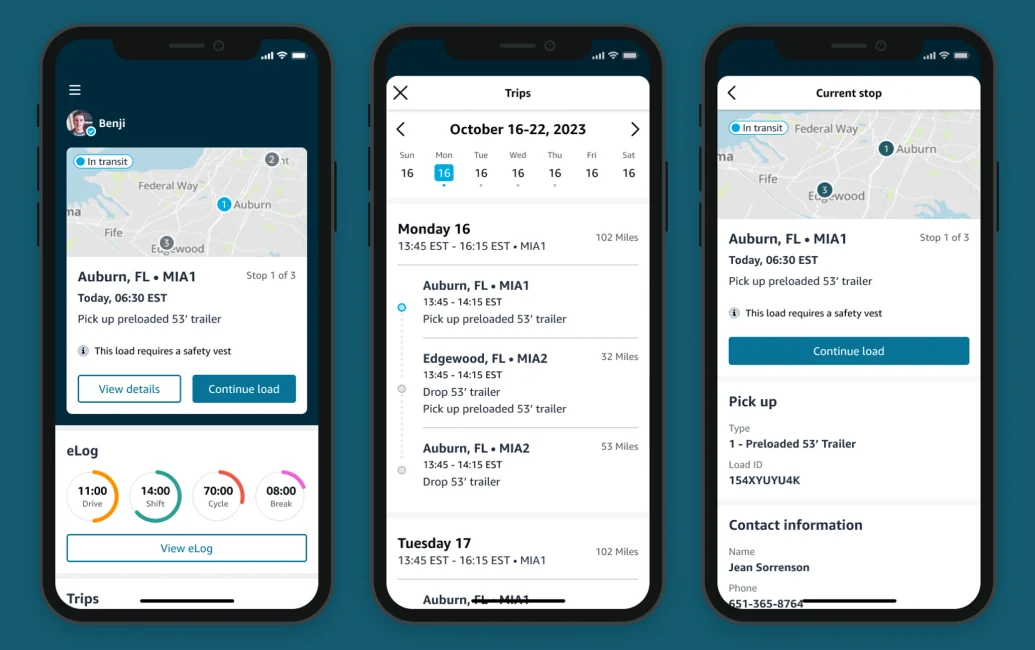 Amazon Relay MobileHelping truck drivers execute loads more efficiently and confidently
- Amazon · Middle Mile OperationsRedesigning a freight marketplace for the next stage of growthAmazon Relay Load BoardWeb App Redesign
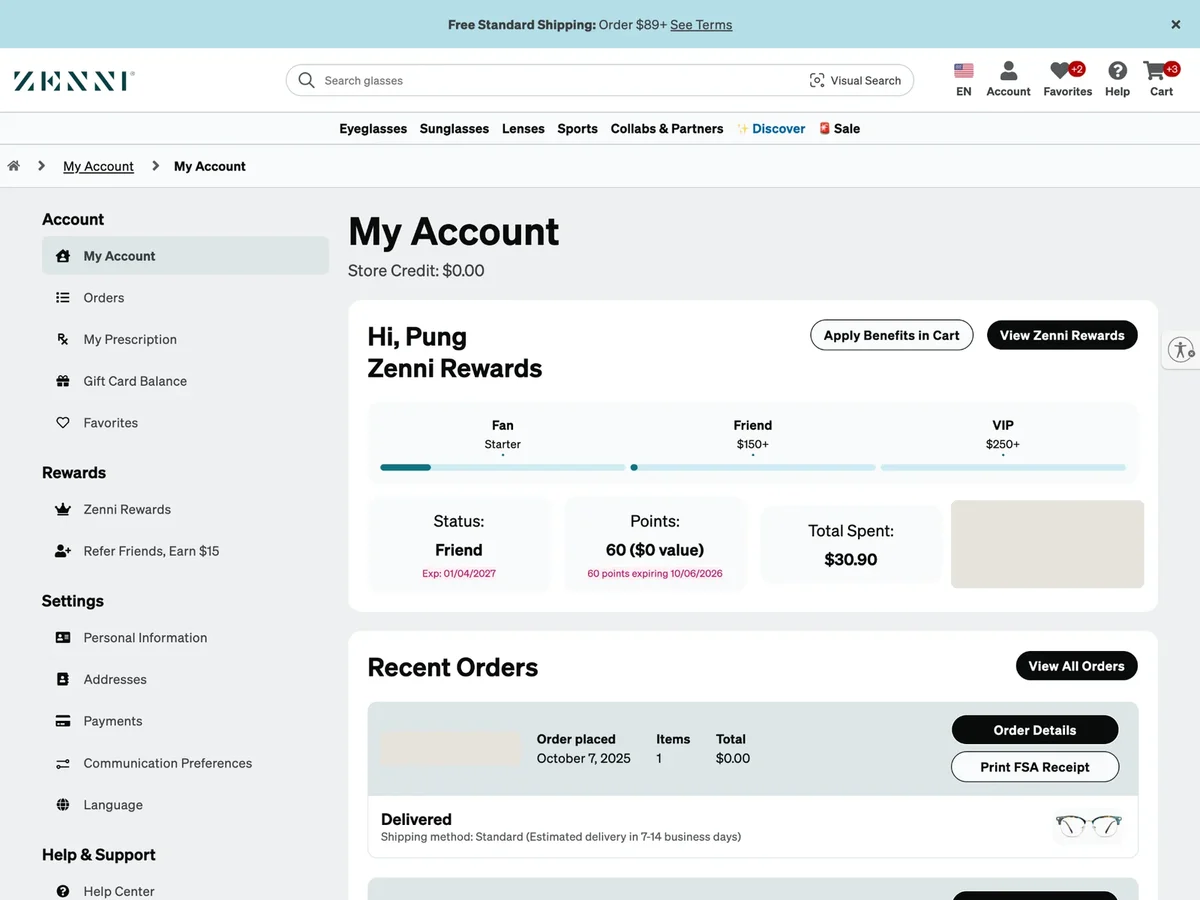 Zenni AccountBuild the foundation before the feature.
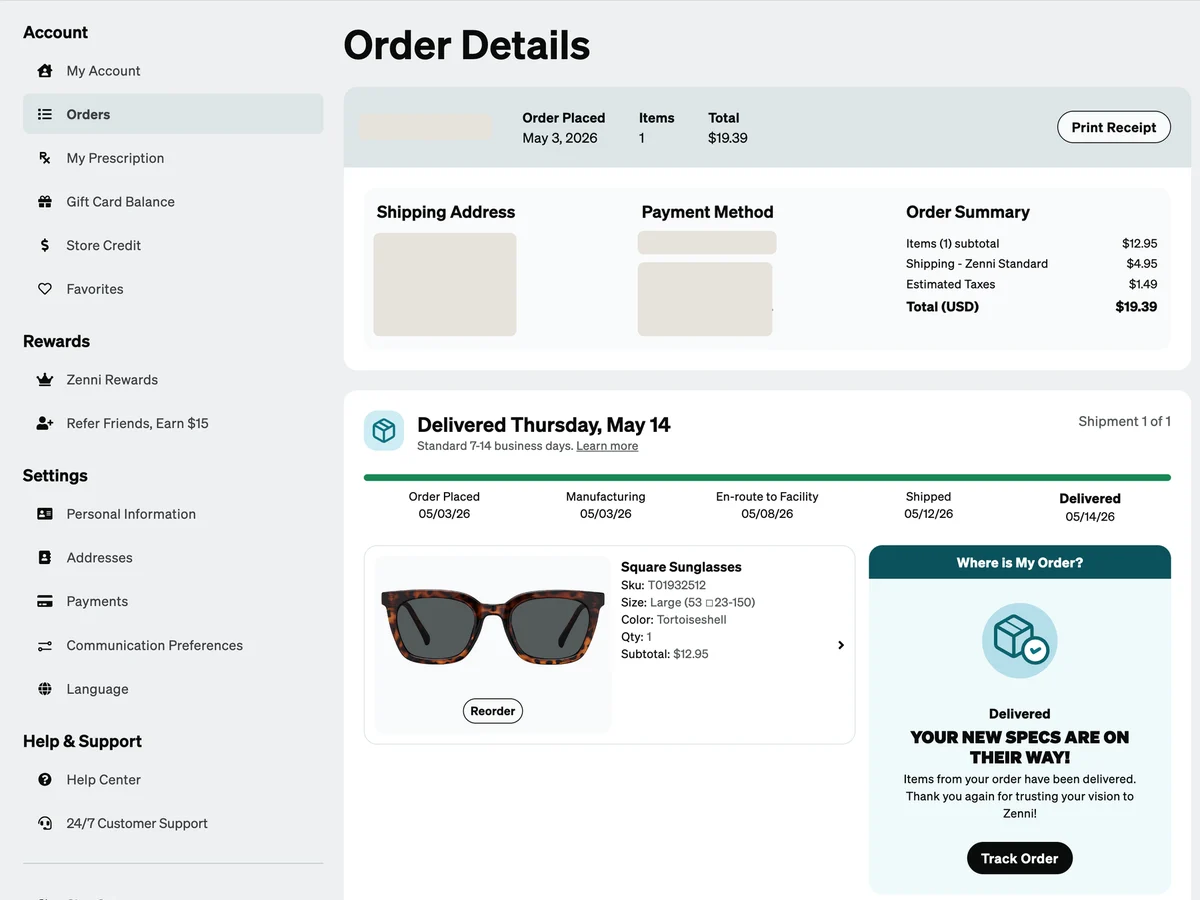 Zenni Order TrackingMake order status feel like an answer, not a clue.
- Spok · Healthcare communicationCreating shared direction through discovery.SpokGoGreenfield cloud healthcare communication platform
02 · How I work: The methods change. The questions don’t.
UX has a rich vocabulary for describing process. I keep mine simple, because the problems are complex enough. Instead of a fixed sequence of steps, I work from five questions. Any of them can be where a project starts, and I return to each one as often as the work needs. Every case study on this site is organized around them.
Five questions, asked in any order, often more than once
-
People
What are people trying to do?
Who are they, and what in their world shapes how they act?
I look atGoals, needs, behavior, environment, mental models, and the real-world constraints people work around.
-
System
How does the system actually work?
Not how it’s drawn on a diagram, but what really shapes the experience.
I look atTechnology, business rules, operations, ownership, incentives, dependencies, and the relationships between teams.
-
Gaps
Where don’t those realities line up?
And which of those gaps are worth closing first?
I look forUnmet needs, conflicting mental models, missing information, broken handoffs, organizational seams, and product structures that no longer match the work.
-
Design
What’s the best way to close them?
Usually a mix of design, alignment and honest tradeoffs.
I useExploration, prototyping, facilitation, prioritization, testing, negotiation, and clear tradeoff decisions.
-
Impact
Did the gap close?
And what new questions did the work uncover?
I measureCustomer behavior, qualitative response, support demand, operational impact, product performance, and adoption.
The method follows the uncertainty.
The questions stay the same. How I answer them depends on how much we don’t know yet. When the answer is close at hand, I keep the process light. When nobody knows, I invest in the methods that build shared understanding.
-
Mostly known
Confirm it and move.
Existing analytics, a conversation with customer service or engineering, a quick sketch or design review.
-
Partly known
Test the riskiest assumption.
A prototype, a usability test, or a working doc that gets partners reacting to something concrete.
-
Mostly unknown
Build understanding together.
Interviews, a workshop or design jam, and several directions explored side by side before committing to one.
03 · Values: What matters underneath the work
Humans first.
Products, systems, businesses, efficiency, even design itself, exist to serve people. What matters most is deeply human: time with the people I love, making things, being outside, learning, resting and belonging. I design for the person on the other side of the screen and work in a way that protects my team’s time and energy, so the work makes room for the rest of life instead of competing with it.
Curiosity before conviction.
Judgment comes after understanding. Before I decide whether something is good, I want to know its context, its boundaries and the tradeoffs behind it. I’ve helped my team move design critique away from pixels and toward those questions, so feedback is about the problem rather than personal taste, and designers leave knowing what to change and why.
Outcomes over output.
Hours worked and artifacts produced aren’t the point. A prototype, a research deck or a workshop matters only when it changes something: a decision, a behavior, a result. I measure my work by what’s different because of it, so my team can spend its effort on what moves things forward instead of on looking busy.
Everyone can lead.
Leadership isn’t a title. Anyone leads when they help a group see more clearly, decide better or move forward. I hold a clear point of view and explain my reasoning, and I make room for others to do the same, so the best idea wins no matter who had it.
04 · Experience: Fifteen years of product work
Fifteen years spanning hands-on product design, design strategy, management, and the operating practices around product work.
2024–2026
Zenni Optical, Senior Product Designer
- Ecommerce
- Mobile
- Post-purchase
- Account foundations
- Design-system collaboration
- Team planning
- Mentorship
2021–2023
Amazon, UX Designer II
- Middle Mile transportation
- Relay Mobile
- Load Board
- Post a Truck
- Smart Support
- Carrier and driver tools
- Operations
2019–2021
Spok, UX Manager
Managed four designers. Partnered with Product, Engineering, and design leadership on cloud healthcare communication products.
2017–2019
Spok, Senior UX Designer
- Messaging
- Directory
- Workflow
- Alerting
- Administration
- Scheduling
2012–2017
Lone Wolf Technologies, UI/UX Designer
Real-estate software
- Transaction management
- Configurable forms
- Responsive real-estate marketing and search experiences
- Functional prototypes
Early career
Thomson Reuters, Web Designer
Where I learned production discipline, file organization, handoff, design operations, and cross-functional execution.
2011
Education
University of Wisconsin–Eau Claire
B.F.A. Graphic Design
05 · Contact: Working together
Looking for thoughtful design leadership on a complicated problem?
I’m looking for a remote senior individual contributor or design leadership role: Staff, Lead, Principal, or equivalent scope.
I do my best work where:
- design has real organizational support,
- teams can discuss tradeoffs,
- designers are expected to think,
- complex problems are worth understanding,
- impact matters more than ritual.
- name@example.comPlaceholder
- linkedin.com/in/your-profilePlaceholder
- Résumé
- Résumé (PDF)Placeholder